
Written by Dr. Benjamin B. Cable, MD, board-certified Otolaryngologist · Published May 16, 2026 · McKinney office
A common story in our clinic goes something like this. A patient describes a runny, drippy nose that has been with them for years. It worsens when they walk outside on a cold morning, when they sit down to a steaming bowl of soup, or when the weather changes ahead of a storm. They have tried every allergy medication on the pharmacy shelf with little to show for it. They have been allergy tested — sometimes more than once — and the results are unremarkable. They have come to assume that this is simply how their nose is, and they are tired of carrying tissues everywhere they go.
If any of that sounds familiar, the condition you are describing very likely is not allergic rhinitis. It is vasomotor rhinitis, more accurately called nonallergic rhinitis or, in its most common form, chronic rhinitis with anterior rhinorrhea. It is poorly understood by many patients, often misdiagnosed, and — until fairly recently — frustrating to treat. The good news is that two minimally invasive in-office procedures have changed what we can offer. This article walks through the condition, the medical options, and the procedural options in plain language.
What Vasomotor Rhinitis Actually Is
The nose is not just a passive air channel. Its lining contains a dense network of small nerves, blood vessels, and mucus-producing glands, all of which are regulated by the autonomic nervous system. The autonomic nervous system has two branches: the sympathetic, which generally constricts blood vessels and dries secretions, and the parasympathetic, which dilates vessels and increases mucus production. In a healthy nose, these two systems are in balance.
In vasomotor rhinitis, that balance is disrupted. The parasympathetic input — carried largely by a nerve called the posterior nasal nerve — becomes overactive or overly responsive to nonspecific triggers. The result is a nose that runs, drips, and congests in response to things that should not provoke such a reaction: temperature changes, strong smells, spicy or hot food, exercise, hormonal shifts, certain medications, and changes in barometric pressure. There is no immune system involvement. No histamine release. No allergy.
How It Differs From Allergic Rhinitis
The two conditions look superficially similar — runny nose, congestion, postnasal drip — but the mechanism, the triggers, and the response to treatment are entirely different.
| Feature | Allergic Rhinitis | Vasomotor (Nonallergic) Rhinitis |
| Underlying mechanism | IgE-mediated immune reaction to an allergen | Autonomic nerve dysregulation; no immune component |
| Typical triggers | Pollens, dust mites, pet dander, mold | Temperature change, strong smells, spicy food, weather changes, exercise, hormones |
| Itching (eyes, nose, palate) | Common and often prominent | Usually absent |
| Sneezing fits | Common, often in clusters | Less common |
| Watery, itchy eyes | Common | Usually absent |
| Predominant symptom | Congestion and sneezing, with mucus | Clear watery drainage from the front of the nose (“anterior rhinorrhea”) and postnasal drip |
| Seasonal pattern | Often, depending on the allergen | Year-round, with day-to-day variability tied to environment |
| Allergy test result | Positive to one or more allergens | Negative |
| Response to antihistamines | Often meaningful improvement | Minimal to none |
The single most useful diagnostic clue is a negative allergy test in a patient with chronic rhinitis symptoms. If the immune system is not the driver, the autonomic nervous system almost always is. Many patients have a mix of both, sometimes called “mixed rhinitis,” which is why treating only the allergic component leaves them frustrated and still symptomatic.
Medical Treatment Options
Before any procedure is considered, we work through the medical options. For some patients, especially those with milder symptoms, these are sufficient.
Intranasal ipratropium bromide. This is a topical anticholinergic spray, the closest thing we have to a targeted medical treatment for vasomotor rhinitis. It directly blocks the parasympathetic signal that drives mucus production. It works well for anterior rhinorrhea — the watery drip from the front of the nose — but does relatively little for congestion. It can be used as needed before known trigger exposures, such as before a meal or before going outside in cold weather.
Intranasal corticosteroid sprays. Fluticasone, mometasone, and similar agents reduce inflammation in the nasal lining and can modestly help nonallergic rhinitis as well as allergic rhinitis. They are slow-acting; daily use for several weeks is required before judging effect.
Intranasal antihistamines. Azelastine, unlike oral antihistamines, has some effect in nonallergic rhinitis through mechanisms beyond histamine blockade. It is often combined with an intranasal steroid in patients with mixed-pattern symptoms.
Saline irrigation. A high-volume nasal rinse, used once or twice daily, washes out irritants and thins mucus. It is inexpensive, well tolerated, and meaningfully helpful for many patients.
Trigger management. Identifying and reducing exposure to triggers — temperature shifts, irritant exposures, certain foods, particular medications including some blood pressure agents — is part of any sensible management plan.
Oral antihistamines are typically not helpful in pure vasomotor rhinitis, and oral decongestants are not a long-term option because of cardiovascular and rebound effects. Many patients arrive in our office with a drawer full of these medications, frustrated that none of them have worked. That frustration usually points to the correct diagnosis.
When Medical Therapy Is Not Enough
For many years, that was the end of the conversation. Patients who did not respond to sprays were told they would simply have to live with their symptoms, manage triggers, and carry tissues. That changed over the past several years with the development of in-office ablation procedures that target the posterior nasal nerve directly.
The principle is straightforward. If the parasympathetic signal traveling through the posterior nasal nerve is what is driving the watery drainage and the hyperreactive response, then interrupting that signal at the source should reduce or eliminate those symptoms. Two devices accomplish this through different mechanisms. Both are performed in the office, under local anesthesia, in well under an hour. They are not interchangeable, but they are similar in goal and outcome.
NEUROMARK (Neurent) Posterior Nasal Nerve Ablation
The NEUROMARK system, made by Neurent Medical, uses temperature-controlled radiofrequency energy delivered through a flexible catheter. The device was designed specifically to map and treat the small terminal branches of the posterior nasal nerve, rather than a single larger trunk.
How the procedure is performed
The patient is seated comfortably in the exam chair. Topical decongestant and topical local anesthetic are applied to the inside of the nose, followed by a small amount of injected local anesthetic in the area to be treated. The nasal cavity is examined with an endoscope to confirm anatomy and to plan the treatment.
The NEUROMARK catheter is then introduced through the nostril. The end of the catheter is a flexible, fan-shaped array of small electrodes that can be opened against the lateral nasal wall in the region where the posterior nasal nerve fibers emerge. The device first runs a brief mapping cycle, sensing the position of the electrodes against the tissue to ensure consistent contact. It then delivers a controlled radiofrequency treatment — about thirty seconds per treatment cycle — that heats the nerve fibers just enough to interrupt their function without significant damage to the overlying mucosa. The procedure is performed on both sides of the nose. Total time in the chair is typically twenty to thirty minutes.
Patients describe the sensation as warmth and pressure rather than pain. Most return to normal activities the same day. There is usually no significant bleeding, no packing, and no recovery time beyond a day or two of mild nasal congestion or crusting.
Outcomes
Published data on the NEUROMARK system have shown meaningful reductions in symptom scores, sustained at one and two years of follow-up, with response rates in the range of seventy percent of treated patients reporting clinically significant improvement. The treatment is most effective for the runny, drippy symptoms — anterior rhinorrhea and postnasal drip — and somewhat less effective for pure congestion. Many patients reduce or eliminate their need for daily ipratropium or other sprays.
RhinAer (Aerin Medical) Posterior Nasal Nerve Treatment
The RhinAer device, made by Aerin Medical, also targets the posterior nasal nerve, but uses a different energy form — low-temperature radiofrequency delivered through a handheld stylus-shaped instrument. The treatment is sometimes performed alongside another Aerin procedure called VivAer, which addresses nasal valve obstruction and is a separate decision based on whether congestion has a structural component.
How the procedure is performed
The setup is similar to the NEUROMARK procedure. The patient is comfortable in the exam chair. Topical and injected local anesthetic are used to numb the inside of the nose. An endoscope is used to visualize the treatment area in real time.
The RhinAer stylus is then placed against the region of the posterior nasal nerve along the lateral nasal wall. Each application of energy lasts approximately thirty seconds and delivers a controlled, low-temperature radiofrequency treatment that disrupts nerve function in that small area. Several treatment spots are placed on each side of the nose to cover the territory of the nerve. The total time is usually fifteen to twenty-five minutes.
As with NEUROMARK, most patients tolerate the procedure well with sensations described as pressure and warmth. Recovery is similarly minimal — most patients return to normal activities the same day.
Outcomes
Published clinical data on RhinAer have demonstrated significant and durable reductions in symptom severity, with the majority of patients in studied populations achieving meaningful improvement that persists out to at least two years. As with NEUROMARK, the strongest effect is on watery rhinorrhea and postnasal drip; the effect on chronic nasal congestion alone is more modest, which is part of why some patients are offered RhinAer combined with VivAer when a nasal valve component is contributing.
How to Think About Choosing Between the Two
The honest answer is that for most patients, both devices produce similar outcomes. They share the same target — the posterior nasal nerve — and they are addressing the same underlying problem. The differences are mostly in form factor and technique. The mapping feature of NEUROMARK can be helpful for ensuring even treatment coverage. The discrete-stylus approach of RhinAer can be useful when the anatomy favors targeted spot treatment. Insurance coverage, device availability at a given practice, and the operator’s familiarity with each system all play a role.
What matters most is patient selection. Both procedures work best in patients whose dominant symptom is watery rhinorrhea or postnasal drip — exactly the patients whose lives are organized around tissues and trigger avoidance. They work less well in patients whose dominant symptom is pure nasal congestion without significant drainage. A careful evaluation, including nasal endoscopy and an honest review of which symptoms are most bothersome, is what guides the recommendation.
What These Procedures Are Not
It is worth being clear about a few things. These are not cures in the strict sense — the underlying autonomic tendency does not change, and a small fraction of patients see symptoms return after several years, sometimes successfully treated again. They do not address structural nasal obstruction such as a deviated septum or enlarged turbinates; those have their own treatments. They do not treat allergic rhinitis. They are minimally invasive and well tolerated, but they are still medical procedures with rare risks: temporary numbness of the front teeth or palate, dryness, a small risk of bleeding, and rare anatomical variations that affect outcomes.
I mention these not to discourage anyone but to emphasize that the decision to pursue ablation should follow a careful conversation, not a brochure. The right candidate is someone whose life is genuinely affected by chronic rhinitis, who has tried appropriate medical therapy without adequate result, and whose symptom pattern matches what the procedure can treat. For that patient, the result can be remarkable.
What to Expect at a Consultation
If you suspect you may have vasomotor rhinitis and want a thoughtful evaluation, here is what a consultation typically looks like in our office.
We will go through a detailed history of your symptoms — the specific triggers, the time course, what you have tried, how it has worked. We will review prior allergy testing, or arrange it if it has not been done. We will perform a nasal endoscopy in the office, a brief and painless examination that lets us see the inside of the nose in detail and rule out structural contributors. We will discuss medical options first, and if you have already exhausted those, we will discuss whether you are a candidate for an in-office ablation procedure. If you are, you will leave with a clear understanding of what the procedure involves, what to expect afterward, and what realistic outcomes look like.
Some patients are not candidates, and we will tell you that honestly. Some patients are excellent candidates but want to think it through, and that is fine. The goal is to make sure you have accurate information and a plan you are comfortable with.
If you have been living with chronic runny nose, postnasal drip, or constant tissue-carrying for years and the medications have not solved it, you owe yourself an evaluation. The condition has a name, the mechanism is understood, and the options are far better than they used to be.
Related Sinus & Allergy Care
Tired of a Constantly Runny Nose?
If chronic rhinitis is shaping your daily life, an evaluation can clarify what’s actually driving it — and what options exist beyond the usual sprays. Schedule a consultation at our McKinney or Frisco office.
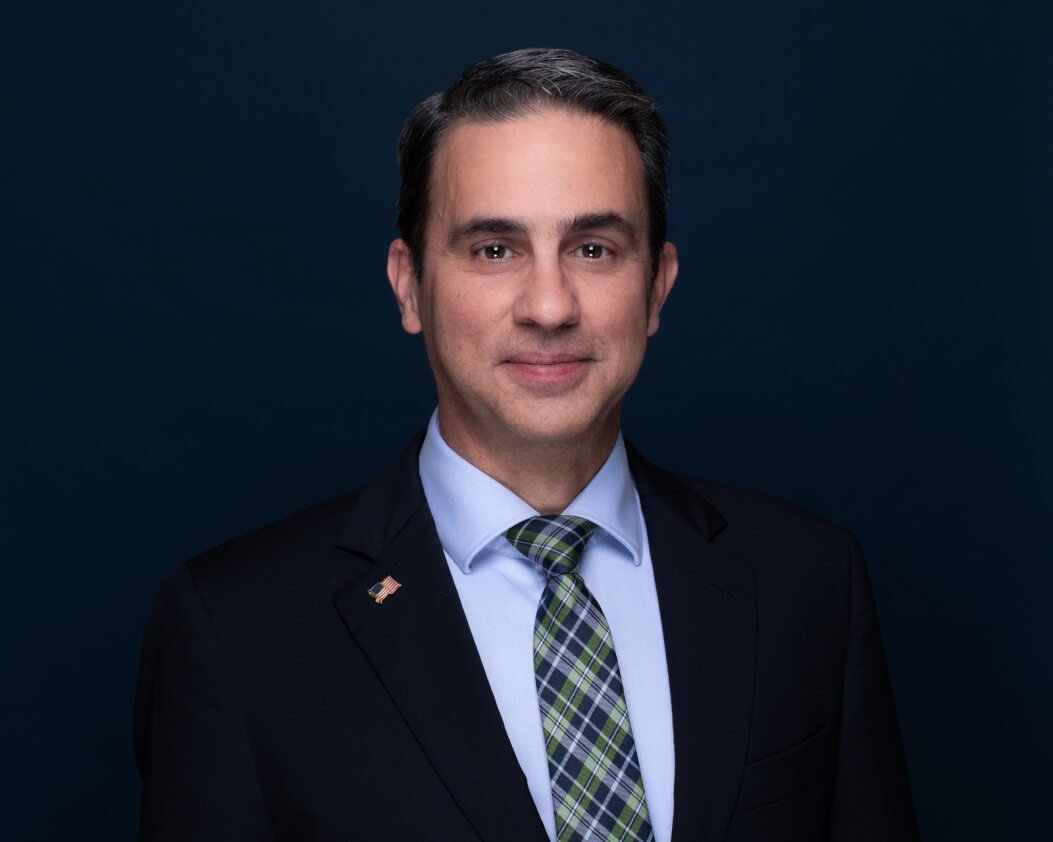
About the Author: Dr. Benjamin Cable, MD
Dr. Cable is a board-certified pediatric otolaryngologist and former Consultant to the Surgeon General with 25 years of experience. He sees patients at the ENT and Allergy Centers of Texas offices in Frisco and McKinney, TX. View full credentials.
Related care from Dr. Cable’s practice: Learn more about allergy testing and treatment and our full sinus and allergy care, available at our Frisco and McKinney offices.
This content is general educational information from Dr. Benjamin B. Cable, MD, and is not medical advice. Reading it does not create a doctor-patient relationship and is not a substitute for evaluation by a qualified physician who can account for your individual history and needs. If you have concerns about your or your child’s health, please consult your physician.