
Specialized Ear, Nose & Throat Care for Your Child in Frisco, TX
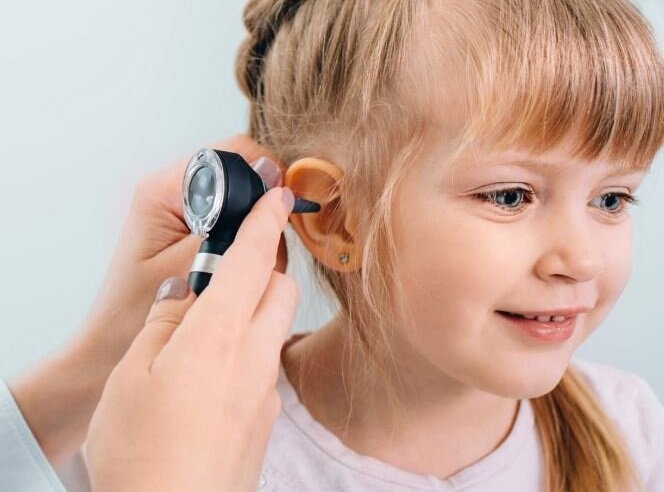
When your child is unwell, you want the most specialized and compassionate care available. Dr. Benjamin Cable is a
fellowship-trained Pediatric Otolaryngologist, bringing years of dedicated expertise to diagnosing and treating the unique ear, nose, and throat (ENT) conditions that affect infants, children, and adolescents in Frisco, Prosper, and the surrounding North Dallas communities.
Key Takeaways: Pediatric ENT Care in Frisco
- Specialist Expertise: Dr. Benjamin Cable is a fellowship-trained Pediatric Otolaryngologist with over two decades of clinical experience treating the developing anatomy of infants, children, and teens.
- Common Conditions Treated: We provide expert care for recurrent ear infections (otitis media), tonsillitis, enlarged adenoids, pediatric sleep apnea, and congenital airway abnormalities.
- Conservative Approach: We prioritize thorough evaluations and medical management first, reserving pediatric surgery (like ear tubes or tonsillectomies) only for when it is strictly necessary.
- Child-Friendly Diagnostics: Utilizing age-appropriate, minimally invasive techniques like in-office nasal endoscopy and newborn hearing evaluations in a reassuring environment.
Why is a Pediatric ENT Specialist Essential for Your Child?
Children’s bodies are still developing, and their ENT problems often present differently than in adults, requiring a nuanced approach to diagnosis and treatment. Pediatric ENT specialists like Dr. Cable have completed extensive additional training focused specifically on the medical and surgical management of head and neck disorders in young patients. This includes a deep understanding of:
- Congenital abnormalities (conditions present at birth)
- Developmental issues affecting the ears, nose, throat, and airway
- Common childhood illnesses and infections
- Age-appropriate diagnostic techniques and treatment options, including minimally invasive procedures when suitable.
Dr. Cable’s expertise ensures that your child receives care tailored to their specific age, developmental stage, and medical needs, promoting the best possible outcomes for their health and well-being.
Comprehensive Pediatric ENT Services We Offer
Dr. Cable provides expert evaluation and treatment for a full spectrum of pediatric ENT conditions. We understand that each child is unique, and we are dedicated to creating a personalized care plan for your little one. Our key services include:
Pediatric Ear Infections (Otitis Media) & Ear Health
- Accurate diagnosis and management of acute and recurrent ear infections (AOM), middle ear fluid (otitis media with effusion or OME), and swimmer’s ear (otitis externa).
- Guidance on when tympanostomy tubes (ear tubes) are beneficial for persistent fluid or frequent infections.
- Evaluation of eardrum perforations and other middle ear conditions.
Tonsil and Adenoid Problems
- Evaluation and treatment for recurrent tonsillitis, strep throat, and enlarged tonsils and/or adenoids causing issues like snoring, mouth breathing, and obstructive sleep apnea in children.
- Discussion of tonsillectomy and adenoidectomy procedures, including when they are recommended and what to expect.
Pediatric Airway & Breathing Disorders
- Expert diagnosis of noisy breathing (stridor), laryngomalacia, tracheomalacia, subglottic stenosis, and other congenital or acquired airway conditions.
- Management of pediatric obstructive sleep apnea (OSA) and other sleep-disordered breathing.
- Care for children with tracheostomies.
Pediatric Sinusitis and Nasal Issues
- Treatment for acute and chronic sinus infections (sinusitis) in children.
- Management of nasal congestion, nasal obstruction, and deviated septum in pediatric patients.
- Evaluation for nasal polyps.
Pediatric Allergic Rhinitis (Allergies)
- Identifying and managing nasal allergies that contribute to sneezing, runny nose, congestion, and itchy eyes in children.
- Guidance on environmental controls and medical therapies.

Pediatric Hearing Loss & Speech Issues
- Comprehensive hearing evaluations for newborns, infants, and children.
- Management of congenital and acquired hearing loss.
- Evaluation of speech delay related to hearing or structural issues like tongue-tie (ankyloglossia).
Pediatric Head and Neck Masses
- Diagnosis and management of congenital neck cysts (e.g., thyroglossal duct cysts, branchial cleft cysts), enlarged lymph nodes, and other pediatric head and neck lumps.
A Caring and Reassuring Environment for Your Child
Dr. Cable and our entire team understand that a visit to the doctor can be an anxious time for both children and parents. We are dedicated to creating a warm, welcoming, and child-friendly atmosphere where your child will feel safe and comfortable. We take the time to explain every step in a way that children can understand, using age-appropriate language and a gentle approach. Our goal is to make your child’s ENT care experience as positive and stress-free as possible, ensuring they receive the highest quality treatment while feeling supported and cared for.
Frequently Asked Questions About Pediatric ENT Services in Frisco, TX
How many ear infections does a child need before getting ear tubes?
The clinical criteria for tympanostomy (ear tube placement) generally include three distinct middle ear infections within six months, or four infections within a twelve-month period with at least one in the past six months. A separate indication is otitis media with effusion — fluid behind the eardrum lasting longer than three months — particularly when it causes temporary hearing loss that may impact speech development. The American Academy of Otolaryngology–Head and Neck Surgery clinical practice guidelines support these thresholds. As a fellowship-trained pediatric otolaryngologist, Dr. Cable evaluates each child individually, considering hearing testing results, speech development, school performance, and family history before recommending tube placement.
How do I know if my toddler has sleep apnea or is just snoring?
Primary snoring during a cold or seasonal allergies is common in children and usually harmless. Pediatric obstructive sleep apnea (OSA) involves loud habitual snoring three or more nights per week, accompanied by witnessed breathing pauses, gasping, or choking sounds. Other warning signs include chronic mouth breathing, restless sleep with unusual positions (such as a hyperextended neck), nocturnal sweating, bedwetting after age five, morning headaches, and daytime symptoms like hyperactivity, behavioral problems, or difficulty concentrating in school. Pediatric OSA is most often caused by enlarged tonsils and adenoids and affects approximately 1-4% of children. Evaluation by a pediatric ENT specialist may include a physical airway exam and, when appropriate, a polysomnogram (sleep study). Untreated pediatric OSA can affect growth, cognitive development, and cardiovascular health.
How long does pediatric ear tube surgery take?
Tympanostomy tube placement is one of the most common pediatric surgeries in the United States, with approximately 700,000 procedures performed annually. The actual surgical time is typically 10 to 15 minutes per child. The procedure is performed as outpatient surgery using brief mask-based general anesthesia (no intravenous lines required for most children), allowing rapid recovery without grogginess. Most families arrive at the surgery center, complete the procedure, and return home within 60 to 90 minutes total. Children typically resume normal activity, eating, and play within hours. Tubes generally remain in place for 6 to 18 months before extruding naturally. Pain is minimal and usually managed with over-the-counter acetaminophen or ibuprofen. Most children with chronic ear fluid experience immediate hearing improvement and a significant reduction in subsequent ear infections.
What is the normal recovery time after a pediatric tonsillectomy?
Pediatric tonsillectomy recovery typically takes 10 to 14 days for full healing. The first 7 days are usually the most uncomfortable, with throat pain often worsening on days 3-5 as the surgical scabs separate. Referred ear pain is common because the tonsils and ears share nerve pathways — this does not indicate an ear infection. Successful recovery depends on three priorities: aggressive hydration (a minimum of 32-48 ounces of fluid daily for school-age children), scheduled pain medication around the clock for the first week, and rest. Most children resume soft foods within 1-2 days and return to school in 10-14 days. Strenuous activity and contact sports should be avoided for two weeks due to bleeding risk. Post-tonsillectomy bleeding occurs in approximately 1-2% of cases and requires immediate evaluation if it happens.
Will my child outgrow their enlarged tonsils and adenoids?
Adenoids typically reach peak size between ages 5 and 7 and gradually shrink through adolescence, sometimes resolving symptoms on their own. Tonsils, however, do not predictably regress and often remain a source of obstruction. When enlarged tonsils and adenoids cause obstructive sleep apnea, chronic mouth breathing, or recurrent infections, waiting for spontaneous improvement carries real risks: pediatric OSA can affect growth hormone release, cognitive development, school performance, and cardiovascular function. Chronic mouth breathing during facial development can lead to dental crowding, narrow palate, and the long-face syndrome (adenoid facies). Recurrent strep throat or peritonsillar abscesses warrant surgical consideration regardless of age. Tonsillectomy and adenoidectomy are highly effective: most children show dramatic improvement in sleep, behavior, and infection frequency within weeks of surgery. Evaluation by a pediatric ENT specialist determines whether observation or surgical intervention is appropriate for an individual child.
Is Your Child Experiencing Ear, Nose, or Throat Concerns?
Trust their care to a fellowship-trained pediatric ENT specialist. Contact us today to schedule an appointment with Dr. Cable in Frisco.